Alabama Dove Season 2026 — Official Dates by Zone
Alabama dove season 2026 opens September 5 in the North Zone — that's the date for all counties except the nine South Zone counties listed below. Opening day September 5 is afternoon shooting only: noon to sunset. Full all-day shooting (one-half hour before sunrise to sunset) begins September 6. Plan your opening day logistics accordingly — if you're hunting a morning shoot September 5, you are hunting out of season. The season runs 90 days total across four segments, with breaks between segments when hunting is closed.
Mourning doves are the most harvested game bird in North America. Alabama's agricultural landscape — sunflower fields, corn stubble, milo, and wheat in the Tennessee Valley — provides exceptional early season dove habitat. The first weekend of September is when it all comes together before the birds migrate south.
Season Dates — 2026
Alabama dove season runs in three segments across the fall and winter. The first segment is by far the most popular — early September birds are plentiful and the hunting is fast before migration pressure moves birds through.
Always confirm exact opening and closing dates at OutdoorAL.com/dove — ADCNR adjusts dates annually within the federal framework set by the U.S. Fish and Wildlife Service.
What You Need — License Requirements
Dove are migratory birds regulated under federal law. The license requirements reflect that — you need both state and federal compliance before hunting.
Bag Limits
Eurasian collared-doves — larger than mourning doves with a distinctive black collar — are an invasive species in Alabama and can be taken in unlimited numbers. They do not count toward your 15-bird daily limit. Learning to identify them by size and collar marking is useful when shooting in mixed flocks.
Baiting Rules — Federal Law, Actively Enforced
This is the most important legal distinction in dove hunting. Baiting for migratory birds is a federal violation — not a state violation, a federal one — with real penalties. Federal game wardens conduct dove field checks every September across North Alabama, and baiting citations are common.
Harvested grain fields with crop stubble
Disced or tilled fields (natural seed release)
Food plots planted as crops
Natural vegetation and wild seed
Scattering milo, sunflower seeds, or grain
Salt or mineral blocks placed for doves
Hunting within 10 days of bait removal
Knowing use of any baited field
The 10-day rule is critical: if bait was placed on a field and then removed, you cannot legally hunt that field for 10 days after removal. "I didn't know the field was baited" is not a sufficient defense if a reasonable person should have known. If you see grain scattered unnaturally on the ground near a dove field, be cautious.
Properly harvested agricultural fields — where combines have left grain on the ground through normal harvest operation — are legal. The grain on the ground is incidental to the harvest, not intentionally placed for doves. This is the standard setup for most North Alabama dove fields.
Legal Equipment
Shot Selection for Dove
Dove are small, fast birds typically shot at 20–35 yards. Shot selection matters more than most new dove hunters realize.
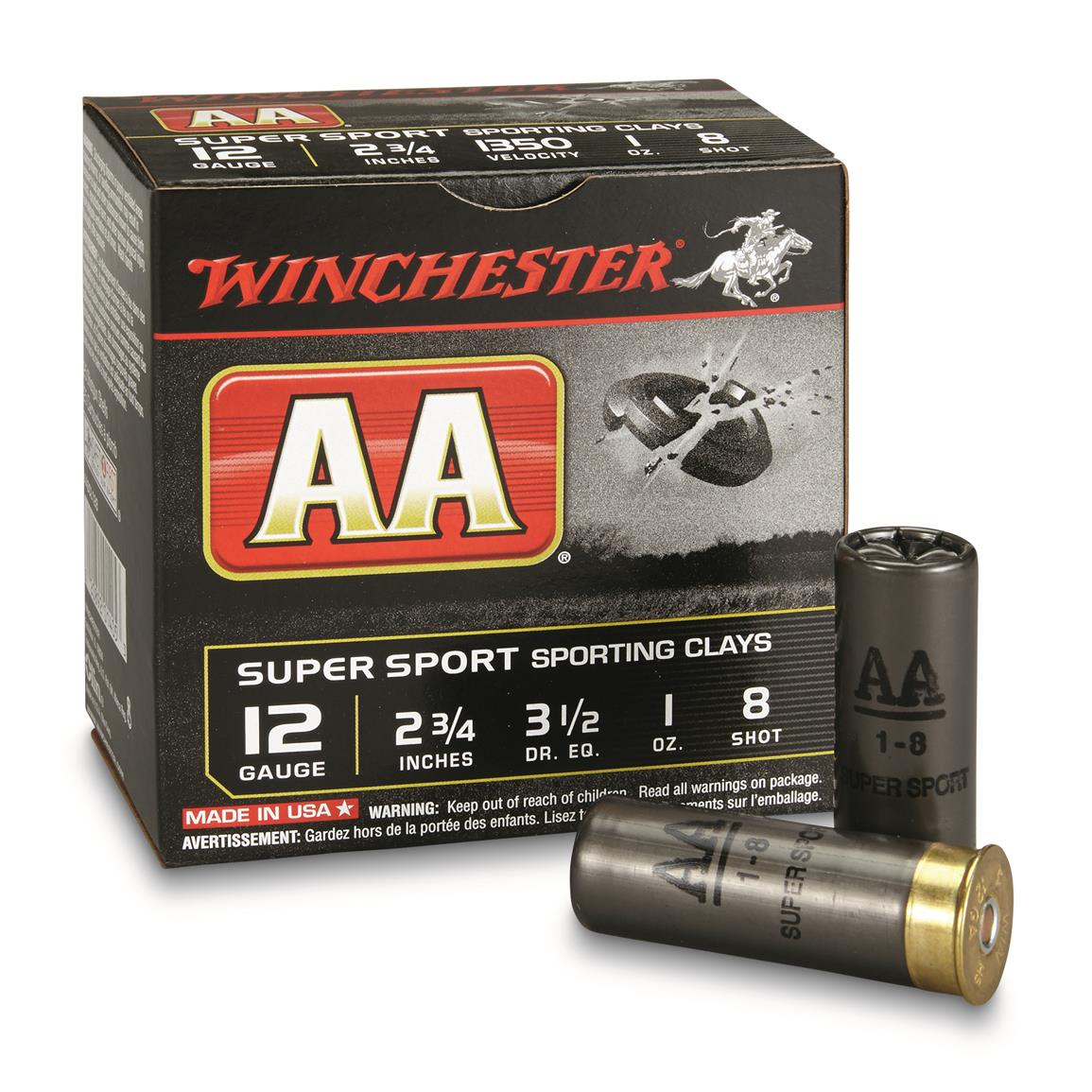
Shot size: #7.5 or #8 shot are the most popular for dove. The smaller pellets create a denser pattern at dove distances. #6 shot works but can be overkill at close range. #9 shot is popular for the second and third segment when birds are sitting tighter in winter cover.
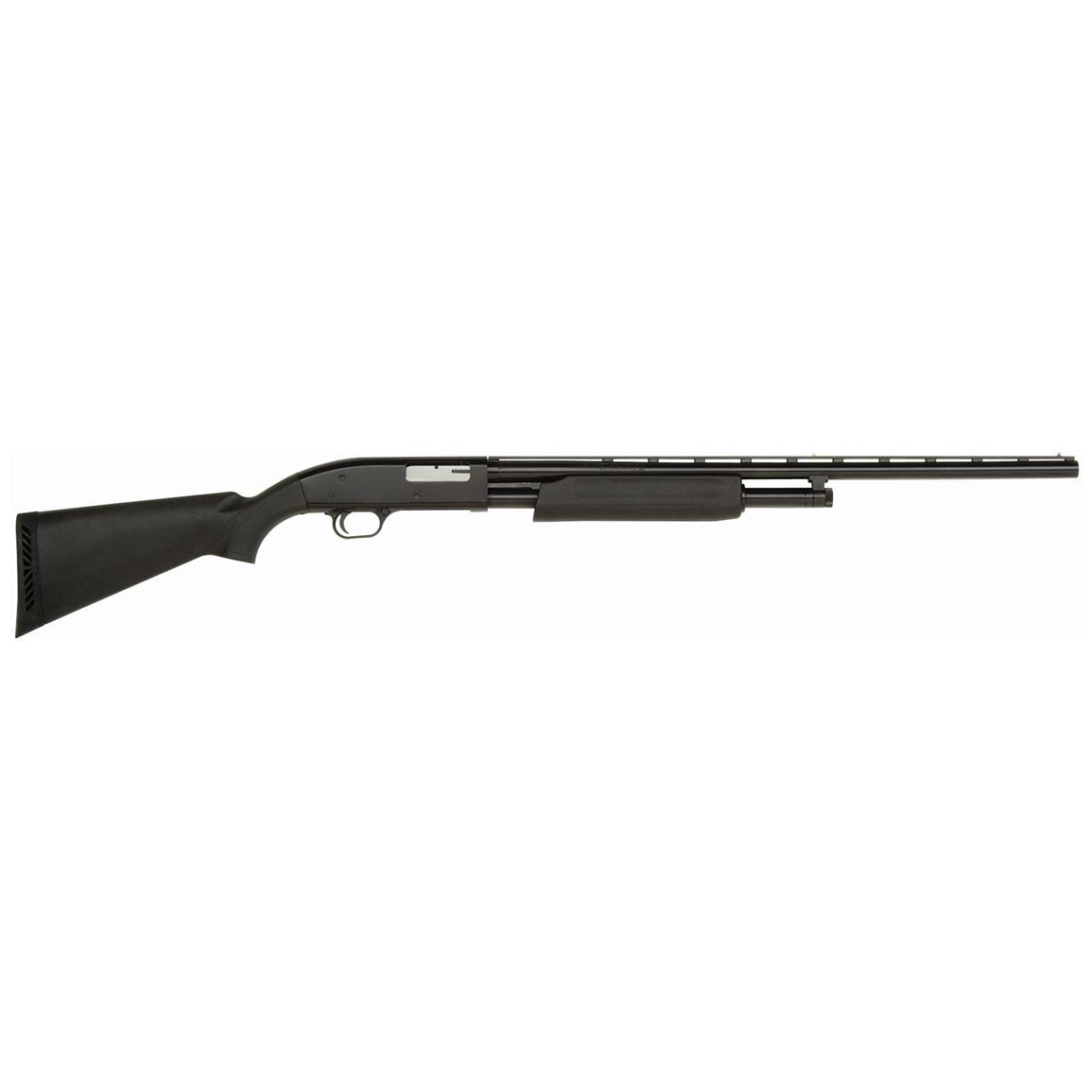
Choke: Improved cylinder or modified are the standard recommendations. Dove are fast and most shots are at 20–35 yards — a full choke is too tight. Many experienced dove hunters prefer improved cylinder for the wider pattern on crossing shots.
Load: 1 oz or 1-1/8 oz loads in 12 gauge are standard. 7/8 oz loads in 20 gauge work well for younger hunters managing recoil during a long afternoon shoot. Velocity between 1,100 and 1,300 fps is typical for dove loads.
Counties: Baldwin, Coffee, Covington, Dale, Escambia, Geneva, Henry, Houston, and Mobile.
Source: ADCNR OutdoorAlabama.com — verify before hunting.
Dove in North Alabama — Fields and Timing
North Alabama's dove hunting is concentrated in the agricultural areas of the Tennessee Valley — the same ground that deer hunters manage for food plots and edge habitat.
Best Field Types
Sunflower fields are the gold standard. Sunflowers planted specifically for dove hunting attract birds from miles away in late August and early September. Many North Alabama farmers and hunting club managers plant sunflowers in March specifically for the September opener. A mature sunflower field with 50–100 acres in production is a serious dove hunting asset.
Grain sorghum (milo) is the second-best dove crop in Alabama. Milo matures in August, can be combined or left standing, and holds doves well into the second and third segments. The small red seeds are highly attractive to mourning doves.
Corn stubble following a September harvest is consistently productive. The grain left after combining draws doves into fields that would otherwise be bare ground. Identifying recently harvested corn fields in late August and getting permission is one of the most reliable North Alabama dove hunting approaches.
Wheat and small grain stubble from summer harvest holds residual grain that doves work. Fields cut in June and July are less productive by September but can still pull birds if they haven't been tilled.
Timing in the Tennessee Valley
Early September dove hunting in North Alabama is an afternoon and evening hunt — birds move to feed and water in the last two to three hours of daylight. Set up with the sun behind you if possible, position near water sources adjacent to grain fields, and be in your spot at least 30 minutes before the afternoon flight starts.
The second and third segments shift toward morning hunting as the birds follow a different daily pattern in cooler weather. By December, doves often feed in the morning and loaf through midday before a shorter afternoon flight.
Public Land Dove Hunting
ADCNR manages some WMA dove fields, though public dove hunting opportunities in North Alabama are more limited than public deer and turkey hunting. Check the ADCNR WMA page each year for managed dove fields near the Tennessee Valley — field availability changes based on crop management decisions made annually.
The most consistent public dove hunting in North Alabama is on managed fields within WMAs that have active dove field programs. A WMA stamp ($17.85) is required for all WMA hunting including dove. Field maps and opening-day hunter counts are posted at ADCNR offices and on OutdoorAL.com each August.
Getting Permission for Private Fields
The same approach that works for hog hunting access works for dove fields — approach landowners during spring and early summer, well before the September opener. A farmer who plants sunflowers or runs row crops in Limestone, Morgan, or Lawrence counties is your target. Offer to help with field work, bring references, and make the ask early before someone else does.
Many dove field landowners in North Alabama run organized opening-day shoots with fixed groups. Getting into one of these established shoots is worth pursuing. Local hunting clubs, county extension offices, and Facebook hunting groups for specific North Alabama counties are the best places to find landowners with September dove fields looking for additional hunters or participants.
Know What You're Shooting — Species Identification
North Alabama hunters encounter five dove and pigeon species during the season. Federal law requires accurate identification before the shot — different species have different regulations, and the consequences of misidentification are real. The single most important fact most hunters don't know: Eurasian Collared-Doves have no bag limit and do NOT count against your 15-bird daily dove limit.
| Species | Size | Key Field Mark ★ | Tail Shape | Bag Limit |
|---|---|---|---|---|
| Mourning Dove | 11–13 in | ★ Long pointed tail; black wing spots; whistling wingbeat on takeoff | Long, pointed | Counts toward 15/day limit |
| White-winged Dove | 11–12 in | ★ Bold white stripe on folded wing → large white patch in flight; blue eye-ring | Square/rounded | Counts toward 15/day limit |
| Eurasian Collared-Dove | 11–12 in | ★ Black half-collar at nape; chalky pale body; larger and chunkier than Mourning Dove | Square; broad white patches | NO limit — does NOT count against dove bag |
| Rock Pigeon | 12–14 in | Largest; stocky; iridescent neck; two dark wingbars; highly variable plumage | Rounded; dark terminal band | Does NOT count against dove limit |
| Common Ground-Dove | 6–7 in (sparrow-sized) | ★ Rufous (reddish-brown) wing flash when flushed; scaly breast; tiny | Short, dark | Counts toward 15/day limit |
White-winged Doves are increasingly common in the Tennessee Valley as their range expands northward. Look for the bold white wing stripe — it's visible on a perched bird and becomes a large white patch in flight, an unmistakable field mark at shooting distance. They count toward the 15-bird combined limit along with Mourning Doves and Common Ground-Doves.
Pre-Season Field Preparation
The difference between a productive dove field and an empty one is almost always preparation timing, not luck. Doves want three things: food on the ground, open ground for landing and walking, and nearby perch structures. Getting all three right before the September 5 opener takes a plan.
What to Plant
| Crop | Plant By | Notes |
|---|---|---|
| Sunflowers | Late March–April | Best single dove crop. Plant early for maturity before the Sept 5 opener. ADCNR recommends sunflower as the top dove planting in Alabama. |
| Browntop millet | June–July | Fast-maturing; excellent dove seed. Plant after wheat harvest for a second crop on the same ground. |
| Grain sorghum (milo) | May–June | Matures in August; can be left standing or combined. Holds birds well into the second segment. |
| Wheat | Oct–Nov (previous year) | Harvested in June–July; seed left in stubble draws birds in early September before primary crops mature. |
| Corn | March–April | Combines in September; waste grain in stubble is highly attractive. Less predictable timing for Sept 1 opener. |
The 10–14 Day Preparation Window
Mow or disc portions of the field 10–14 days before opening day. Disturbed ground with scattered seeds begins attracting doves immediately — birds start using freshly worked ground within 48–72 hours in most North Alabama fields. Leave some standing sunflowers or millet as perch and loafing structures (what some hunters call "totem poles") — doves use these to stage before dropping to feed on the ground. A mix of standing crop and open disturbed ground is more productive than either alone.
Scout the field three to five evenings before the opener. Which direction are birds flying in from? Where do they land first? Where do they go after feeding? This tells you where to set your shooting position and where to put decoys. A well-scouted field means you're set up on the birds' natural approach line on opening morning rather than guessing.
For hunters who want to go beyond the decoy spread, adding a mouth-blown dove call to a late-season roost or water setup is a genuine upgrade. See our dove calls buyer's guide for the owl hooter technique and ranked picks.
Reading Dove Flight — Shot Angles Explained
A 50% hit rate on a good day is considered respectable by experienced dove hunters. Many veterans admit to three or four shells per bird on tough crossing shots. The Mourning Dove's combination of small size, erratic flight, and 30–40 mph speed makes it one of the most challenging small game targets in North America. Understanding the five standard shot presentations dramatically improves your conversion rate.
| Shot Type | How It Looks | The Fix |
|---|---|---|
| Incoming | Bird flying directly toward you, appearing deceptively slow | Lead is minimal — aim just above the bill. Take it before it's directly overhead. This is the easiest shot; most hunters wait too long and try it straight down. |
| Crossing | Bird moving 30–40 mph across your field of view | Hardest standard shot. Lead significantly — a foot or more at 30 yards. Swing through and follow through after the trigger breaks. Stopping the gun causes every miss. |
| Quartering away | Bird moving away from you at an angle | Relatively easy — lead in the direction it's going; aim just ahead of the trailing wing edge. The bird is getting larger in your view as it angles; pull through. |
| Dive and drop | Bird spots the field, suddenly drops from altitude, may change direction 2–3 times | Wait for it to commit and level out. A tumbling bird on the drop is nearly impossible to hit. One second of patience puts you on a level, committed bird. |
| High incomers | Bird high and coming straight in — the "bombing run" | Take it early, while it's still at range and level. As the angle becomes steep, the shot window disappears fast. Shoot when you see the bird level off above the field, not when it's directly above you. |
Field Care — Don't Let the Heat Ruin Your Birds
September dove hunting in North Alabama means 90°F heat. A dove left in a closed game bag in direct sun will begin to spoil within 60–90 minutes. Proper field care is the difference between exceptional table fare and a bird you throw away.
- Bring a cooler with ice to every hunt — this isn't optional in September
- Move birds to the cooler as soon as practical, not at the end of the hunt
- Keep birds dry against the ice — direct ice contact is fine for a few hours; prolonged water-soaking degrades the meat
- Breast birds as soon as possible after the hunt — breast-only processing eliminates plucking and takes under 30 seconds per bird once you have the technique
How to Breast a Dove (30 Seconds Per Bird)
Lay the bird breast-up on a flat surface. Press both thumbs into the center of the breast where the keel bone meets the skin. Pull the skin apart firmly with both thumbs. Reach under the ribcage and pop the breast plate forward and up — the two breast halves separate from the carcass cleanly. Rinse in cold water, pat dry, and refrigerate immediately. A cooler of iced dove breasts holds well for 48–72 hours.
✓ Free HIP registration (outdooralabama.com) — federal requirement
✓ WMA stamp ($17.85) if hunting public land
✓ Know the 15-bird combined limit (Mourning + White-winged + Ground-Dove)
✓ Know Eurasian Collared-Dove has NO limit and does NOT count against dove bag
✓ 3-shell magazine plug installed (federal requirement)
✓ #7.5 or #8 shot, improved cylinder choke
✓ Cooler with ice for game
✓ Minimum one gallon of water per person in September heat