Alabama Raccoon Rules — Quick Reference
Alabama raccoon hunting rules are among the most permissive for any game species in the state. There is no closed season, no specific bag limit on private land, and hunting is legal both day and night. Here is the full breakdown:
License Requirements
A valid Alabama hunting license is required to hunt raccoons regardless of where you hunt. No additional stamps or permits are needed for raccoon hunting on private land beyond the base hunting license.
Licenses can be purchased online at OutdoorAL.com, at any license agent including Walmart, or by phone at 1-888-848-6887. See our full Alabama hunting license guide for details including the fishing license trick that qualifies you for Swan Creek WMA range access at the lowest cost.
Public Land — The Rules Most Hunters Miss
The most important distinction in Alabama raccoon hunting is between private land and open-permit public land. On private and leased land you have virtually no restrictions beyond needing a license. Public land — WMAs, national forest, and other open-permit areas — adds two specific restrictions that catch hunters off guard.
Bag limit of 5 per party. Unlike private land where there is no limit, public open-permit land caps the harvest at 5 raccoons per party per night. This applies to the group as a whole, not per person.
Dog restriction during spring turkey season. On public open-permit land, dogs may not be run during daytime hours or after 3:00 a.m. during the spring turkey season. This protects nesting turkeys from being disturbed by coon dogs working the same ground. The restriction applies only during the spring turkey season window — outside of that period, dogs can be run on public land at any hour.
North Alabama WMAs where raccoon hunting with public land rules applies include Skyline WMA (Jackson County), Mud Creek WMA (Colbert/Lauderdale), and Hollins WMA (Talladega). The Bankhead National Forest in Lawrence, Winston, and Walker counties is national forest land — verify specific rules with the Forest Service as they may differ from ADCNR WMA rules.
Best Guns for Raccoon Hunting
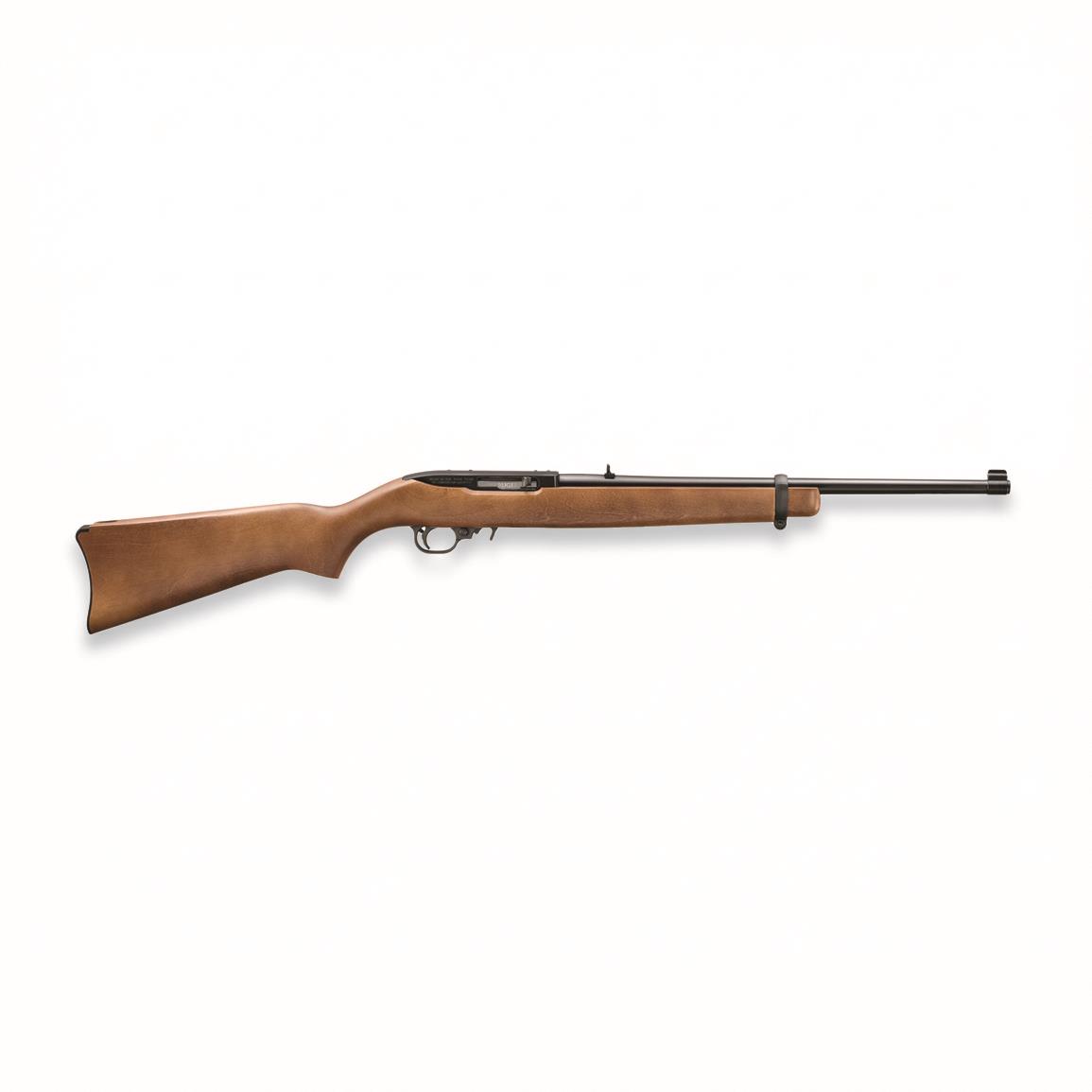
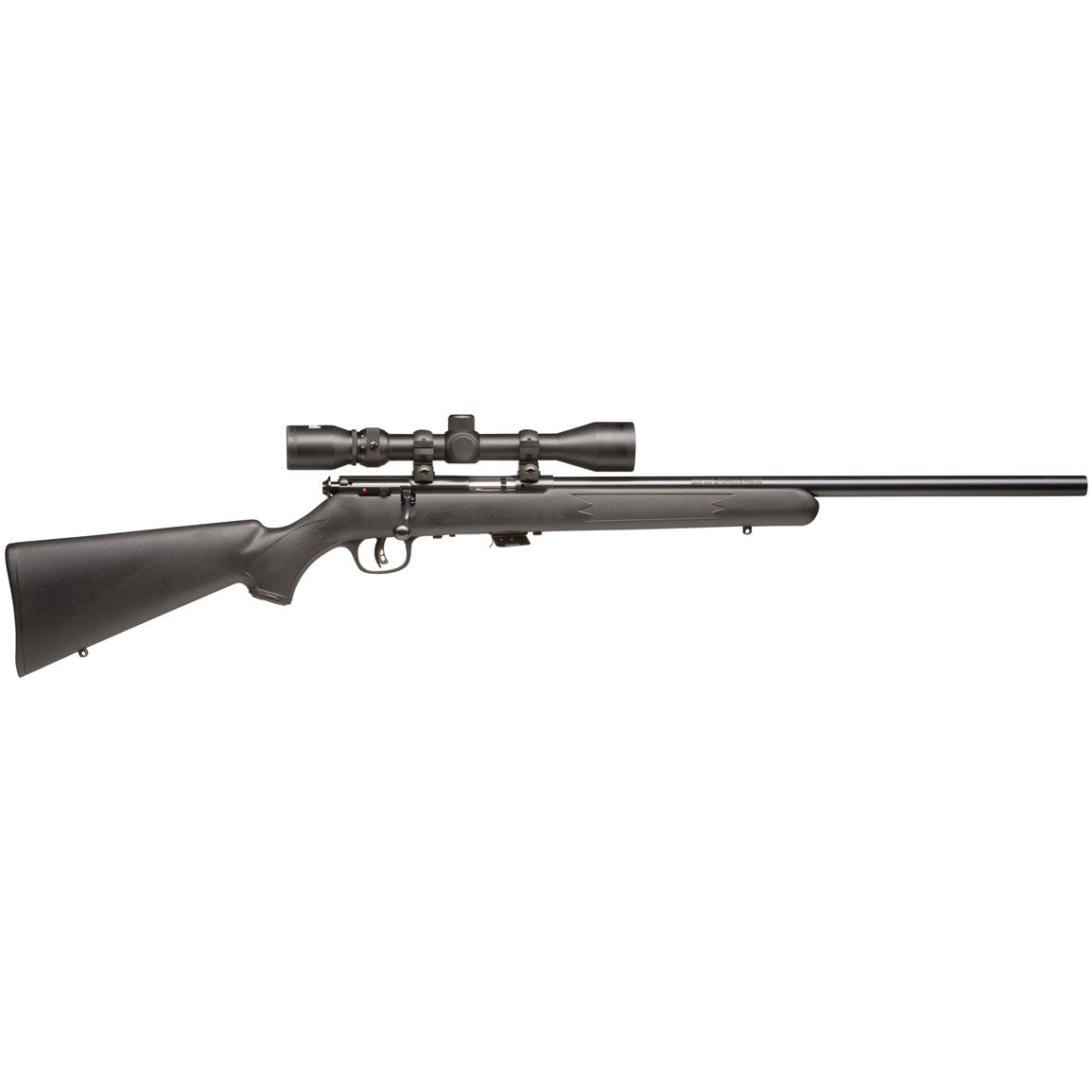
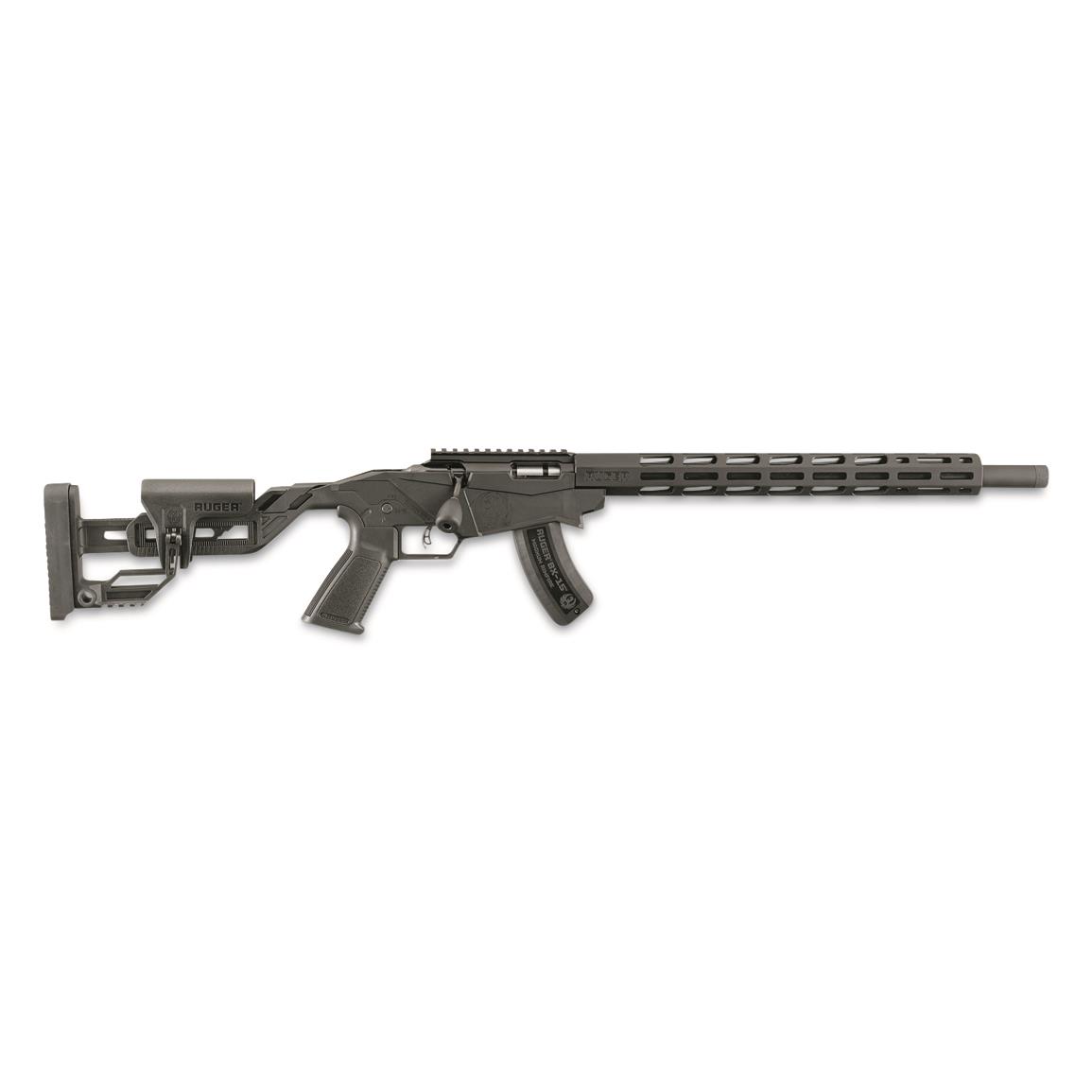
Raccoon hunting gun selection depends on whether you're hunting with dogs (treed shots at close range) or hunting without dogs using lights and optics (longer, more deliberate shots). The two scenarios call for different setups.
Coon Hunting Lights
Lights are essential for nighttime raccoon hunting. The raccoon's eye shine — the reflective tapetum lucidum that makes their eyes glow when a light hits them — is what makes spot-and-shoot night hunting possible. A good light picks up eye shine at distance and lets you identify and approach the animal before the shot.
Belt lights are the traditional coon hunting setup — a powerful handheld or belt-mounted light that sweeps fields and creek edges for eye shine. Traditional coon hunters often use a light mounted to a belt or shoulder for hands-free operation while dogs are working.
Headlamps work well for hunting without dogs — a bright headlamp while walking field edges and creek banks picks up eye shine and keeps your hands free. Look for headlamps with a red or green mode option. Raccoons are less sensitive to red light, allowing a closer approach before the shot.
Thermal optics are the most effective modern tool for night raccoon hunting. A thermal monocular or thermal rifle scope shows raccoons clearly in complete darkness without any light visible to the animal. The same thermal setup used for hog hunting works perfectly for raccoons. See our feral hog hunting guide for thermal optic recommendations.
Where to Find Raccoons in North Alabama
Raccoons in North Alabama concentrate around water, food sources, and den sites. The Tennessee Valley's creek and river bottomlands are prime habitat — raccoons rarely range far from water and the creek bottoms of Madison, Limestone, Lawrence, and Morgan counties hold strong populations.
Creek and river bottoms are the most reliable location. Raccoons travel creek banks nightly, feeding on crawfish, frogs, fish, and anything else they can find in and near the water. Setting up with a light near a creek crossing or running dogs along creek bottoms produces consistent results across North Alabama.
Corn fields and food plots draw raccoons heavily, particularly in late summer and fall when corn is maturing. The same fields that attract deer and hogs have raccoons working them nightly. If you're seeing significant raccoon damage to a corn food plot before deer season, those animals are patternable and huntable.
Hardwood bottoms with mast pull raccoons in fall when acorns are dropping. White oak flats that attract deer in October also concentrate raccoons, which are opportunistic feeders that work mast crops aggressively in pre-winter feeding.
Hunting Raccoons Without Dogs
Traditional coon hunting is inseparable from coon dogs — treeing walkers, blueticks, and black and tan coonhounds are purpose-bred for this hunting. But hunting raccoons without dogs is legal and increasingly popular in North Alabama among hunters who don't run dogs but want to control raccoon populations on their property.
The most effective no-dog method is a bait station with a trail camera. Place a corn feeder or bait pile (raccoon baiting is legal on private land in Alabama — federal migratory bird baiting rules don't apply to raccoons) near a creek bottom or field edge. Run a cellular trail camera and monitor activity. When raccoons pattern to the site, set up downwind with a .22 LR and light or thermal optic. Multiple raccoons can be taken from a single stand in a night over an established bait station.
This method is also effective for property managers who want to reduce raccoon predation on turkey nests and ground-nesting birds before spring season. Raccoons are significant nest predators — removing them from a turkey management property in late winter can meaningfully improve poult survival in spring.